
How Bhopal’s Women Reclaimed Dignity Through Handwork
 Pooja Iyengar
In the shadow of one of the world’s most devastating industrial disasters, a quiet revolution began in Bhopal — led not by politicians or protestors, but by women. Survivors of gas leaks and communal unrest, they rose from loss not with slogans, but with stitches. With every block they pressed and every thread they embroidered, they began to reclaim not just their livelihoods, but their dignity.
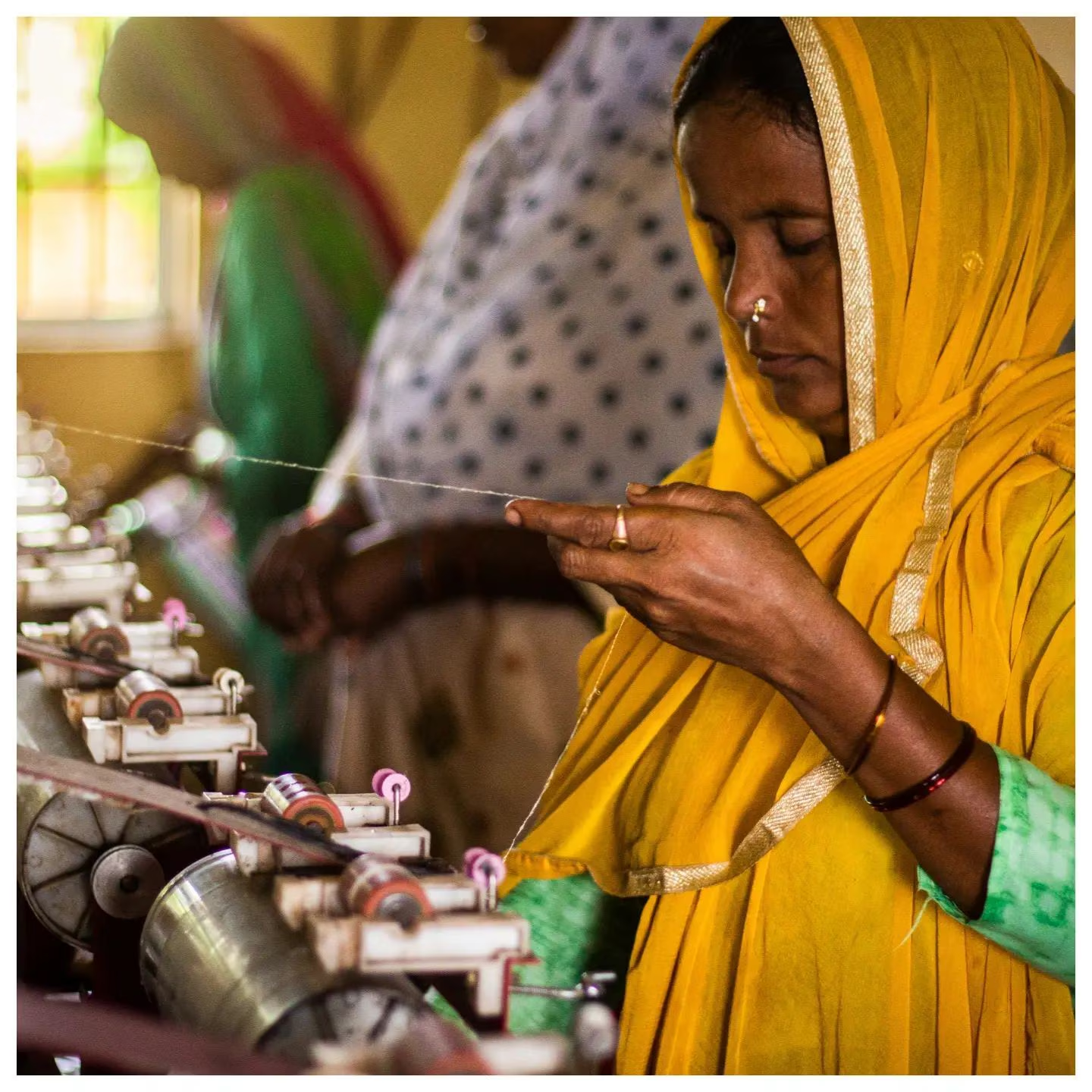
At the heart of this movement stands Mahashakti Seva Kendra, an all-women organization that turned despair into design, and handwork into hope.
The Silent Aftermath of Disaster
On the night of December 2nd, 1984, Bhopal was changed forever. A catastrophic gas leak from the Union Carbide pesticide plant claimed thousands of lives and left tens of thousands more severely injured. The city’s poorest communities — largely women and children — bore the brunt of the tragedy.
The disaster was more than physical; it was deeply psychological. Women lost husbands, children, homes, and often their health. In the years that followed, even as legal battles raged and government aid trickled in, a haunting silence gripped the lanes of the city. Many women remained confined to homes, economically dependent and emotionally broken.
But something unexpected happened: when women had to venture out to file compensation claims and access health services, they began to interact with systems of power. That exposure sowed the seeds of a larger realization — that they could take charge of their own lives.
Stitching Strength Into Every Thread
In 1992, after another wave of trauma during the post-Babri riots, a group of women came together with a vision: to create a space where women could gather, learn, and earn. Thus was born Mahashakti Seva Kendra — not just as an NGO, but as a movement for empowerment.
The solution was rooted in tradition: hand block printing and zardozi embroidery. These ancient crafts, once the pride of India’s royal ateliers, became tools for healing and rebuilding.
- Block Printing: Reviving the Mughal-era Alajarin technique, Mahashakti artisans began using natural dyes derived from herbs, mud, oil, salts, and minerals. The choice to avoid chemicals was both environmental and symbolic — a rejection of the very substances that had harmed them.
- Zardozi Embroidery: With gold and silver threads once reserved for royalty, women infused forgotten skills with new relevance. Their intricate work transformed simple fabrics into heirlooms, echoing stories of resilience and revival.
Each craft was more than vocational training. It was therapy, identity, and rebellion — a refusal to be defined by tragedy.
Dignity Through Earning, Learning, and Leading
For the women of Mahashakti, handwork offered more than income. It became a path to self-worth and recognition. Many had never earned before. Some had never even stepped out alone. Now, they were managing raw materials, meeting clients, mentoring others, and contributing to their households with pride.
Mahashakti’s approach extended beyond skill-building:
- Leadership Development: Women were encouraged to speak up, mediate community issues, and lead meetings. Confidence that once lay dormant began to bloom.
- Legal Literacy: Training on rights, entitlements, and how to navigate state systems empowered women to protect themselves and others.
- Collective Bargaining: From fair wages to better health access, women learned to raise their voices — not just individually, but together.
Heritage Reclaimed, Sustainability Embodied
In a time of mass-produced fashion and toxic dyes, Mahashakti’s choice to use natural, earth-derived ingredients made their products unique and environmentally safe.
- No chemicals, no harm: The dyes are skin-friendly, eye-cooling, and do not contribute to river pollution.
- Slow fashion, deep impact: The garments tell a story — of local ingredients, ancestral knowledge, and women’s determination.
By preserving ancient textile techniques, these women are also preserving India’s cultural legacy, one fabric at a time.
Global Eyes on Local Hands
Designers and conscious consumers from India and beyond have started turning their attention to Bhopal. Mahashakti’s work has found its way into exhibitions, boutiques, and ethical fashion catalogs. Some of the world’s most respected names in sustainable design now collaborate with the women here — not out of charity, but out of awe.
For many artisans, this international interest has not only increased earnings but brought a sense of global belonging. They are no longer just survivors. They are artists. Teachers. Businesswomen.
A Tapestry of Support
Mahashakti’s journey has been nurtured by visionaries and allies — from government ministers to grassroots mentors. But its real engine has always been the women themselves.
- Women from riot-hit areas who refused to let fear define them.
- Gas-affected women who found purpose despite chronic illness.
- Mothers and daughters who turned work sheds into sanctuaries of creation.
Each name stitched into a product represents a family fed, a daughter educated, or a mother whose dignity was restored.
Threads of the Future
As Mahashakti steps into the future, it carries with it the stories of hundreds — stories where pain gave birth to possibility, where heritage became a lifeline, and where women who once whispered in grief now speak boldly through their craft.
The organization continues to expand:
- Creating new training programs for rural women.
- Setting up more eco-friendly production hubs.
- Educating the next generation of women artisans in business, design, and innovation.
In every thread, a revolution is being woven — not with slogans, but with steady hands and resilient hearts.
Bhopal’s women didn’t just reclaim their livelihoods. They reclaimed their power. And they did it one stitch at a time.


