How disaster opened the door to resilience, awareness, and activism.
Where It All Began: Tragedy, Turmoil, and Response
The story of Mahashakti is deeply rooted in Bhopal’s history. After the Bhopal Gas Tragedy in 1984 and the communal riots of 1992, many urban slum areas — especially those housing women and families from marginalized backgrounds — were left devastated.
In the face of loss and instability, women were forced to step out of their homes to access compensation, file claims, and navigate bureaucratic systems. This unintended exposure sparked something powerful — a growing familiarity with government processes and a budding sense of independence.
By 1992, women weren’t just coping — they were responding.
Building economic independence, leadership, and collective strength through grassroots action.
Empowering Women as Catalysts of Change
At Mahashakti Seva Kendra, our vision is to empower women as agents of transformation in their communities — across economic, social, political, and environmental spheres. We focus not just on skill-building, but on leadership, conflict resolution, and collective action that uplifts marginalized women from silence to strength.
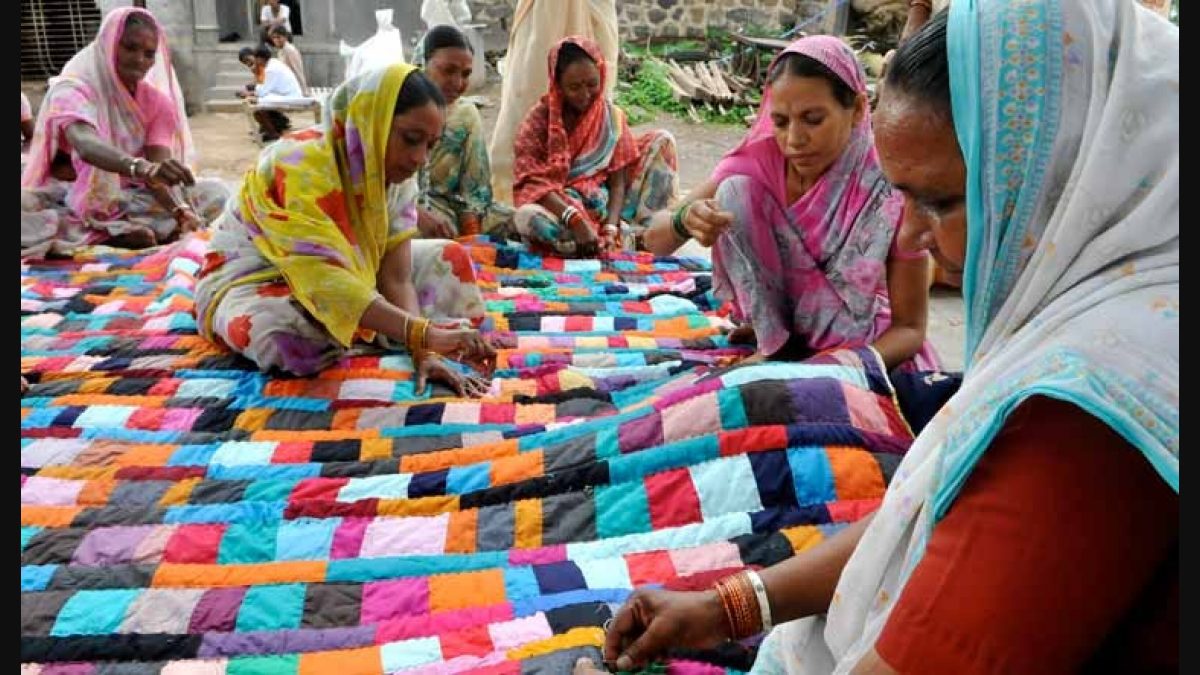
Through traditional Indian crafts like block printing, kalamkari, tailoring, zardosi embroidery, and natural dyeing, these women found both healing and hope.
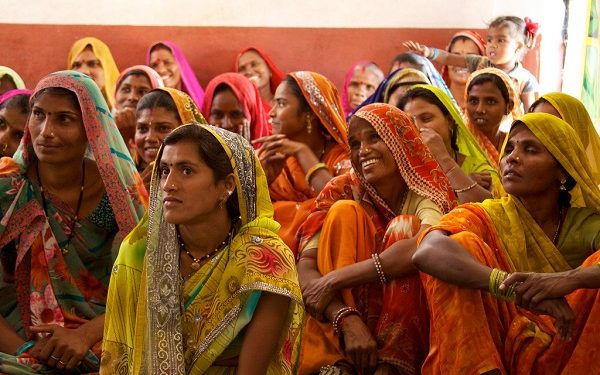
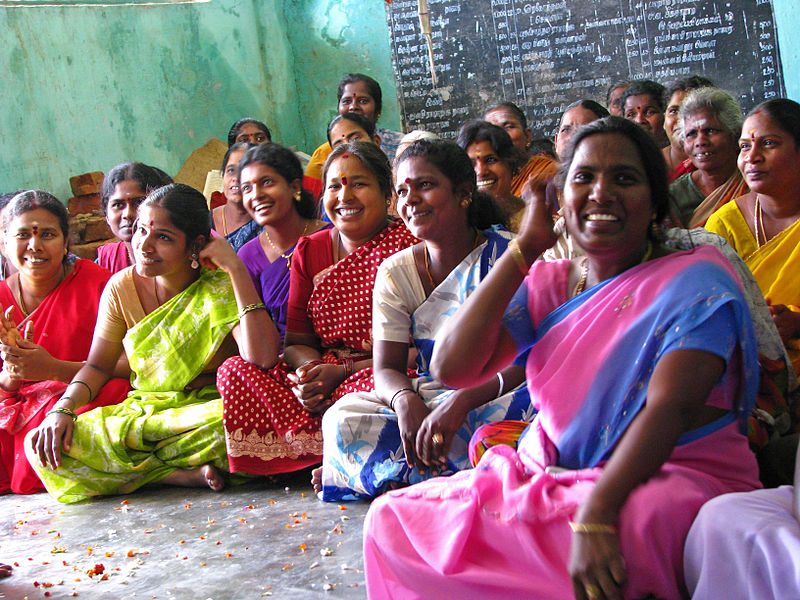
The riots of 1992 became a turning point. Women from different religious backgrounds came together — not as Hindus or Muslims, but as survivors with shared struggles and goals. They chose collective action over isolation. Regular community meetings, facilitated by Mahashakti, began to grow in strength, especially in central locations like the park opposite Lily Cinema Hall.
These meetings became safe spaces for sharing, organizing, and uniting. Through open dialogue and democratic decision-making, women gained the confidence to speak, organize, and lead.
Eventually, the group formally registered itself in March 1993 as Mahashakti Seva Kendra, adopting the image of Goddess Durga — a symbol of feminine power — as its emblem.
When training, trust, and teamwork turned hope into sustainable opportunity.
How Vision Turned Into Action
From that point forward, Mahashakti began offering:
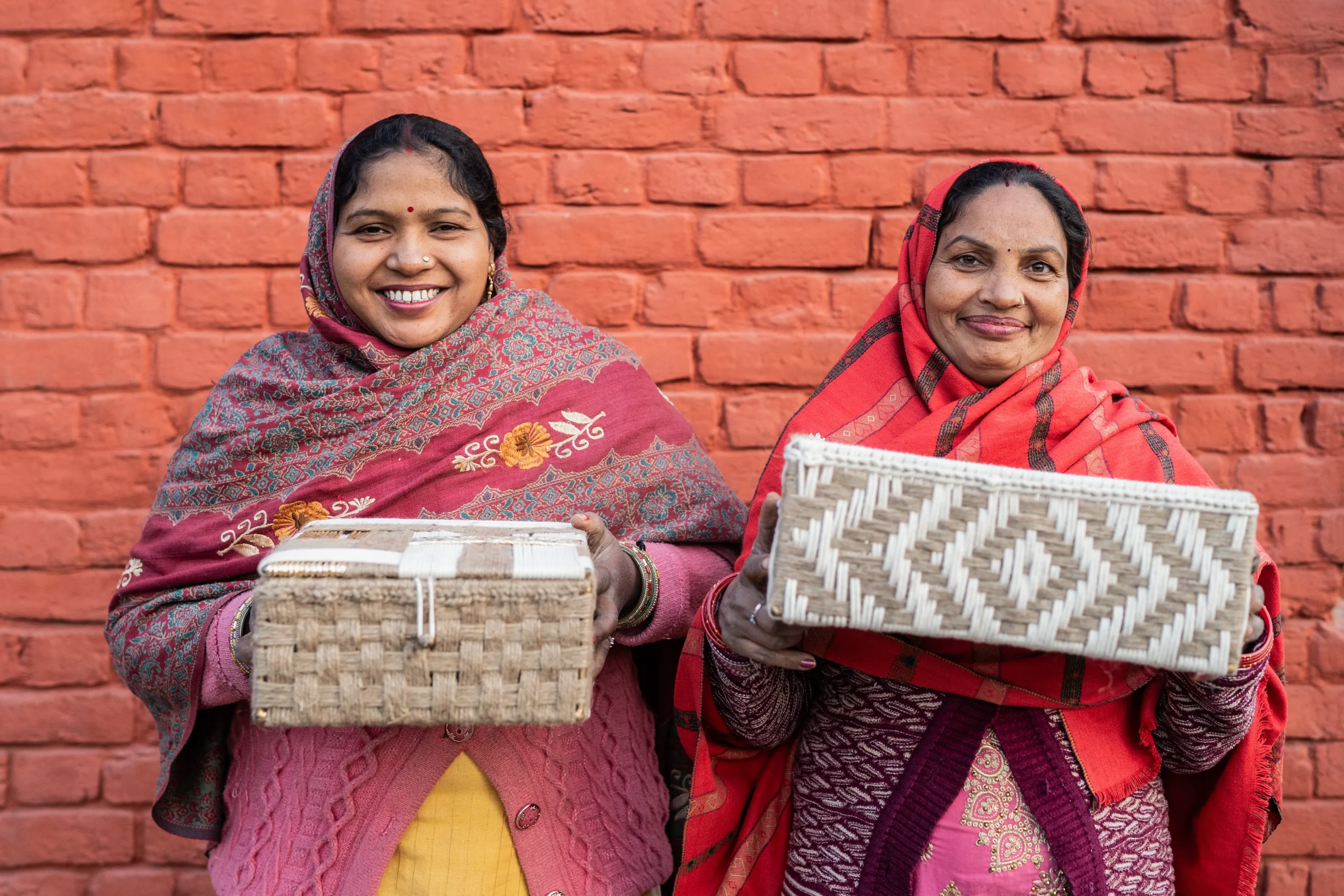
These programs helped women move from dependence to dignity — taking control of their economic future, advocating for their communities, and mentoring others in the same journey.