A Journey from Chemical Catastrophe to Creative Empowerment
Our Story — The Tragedy & The Mission
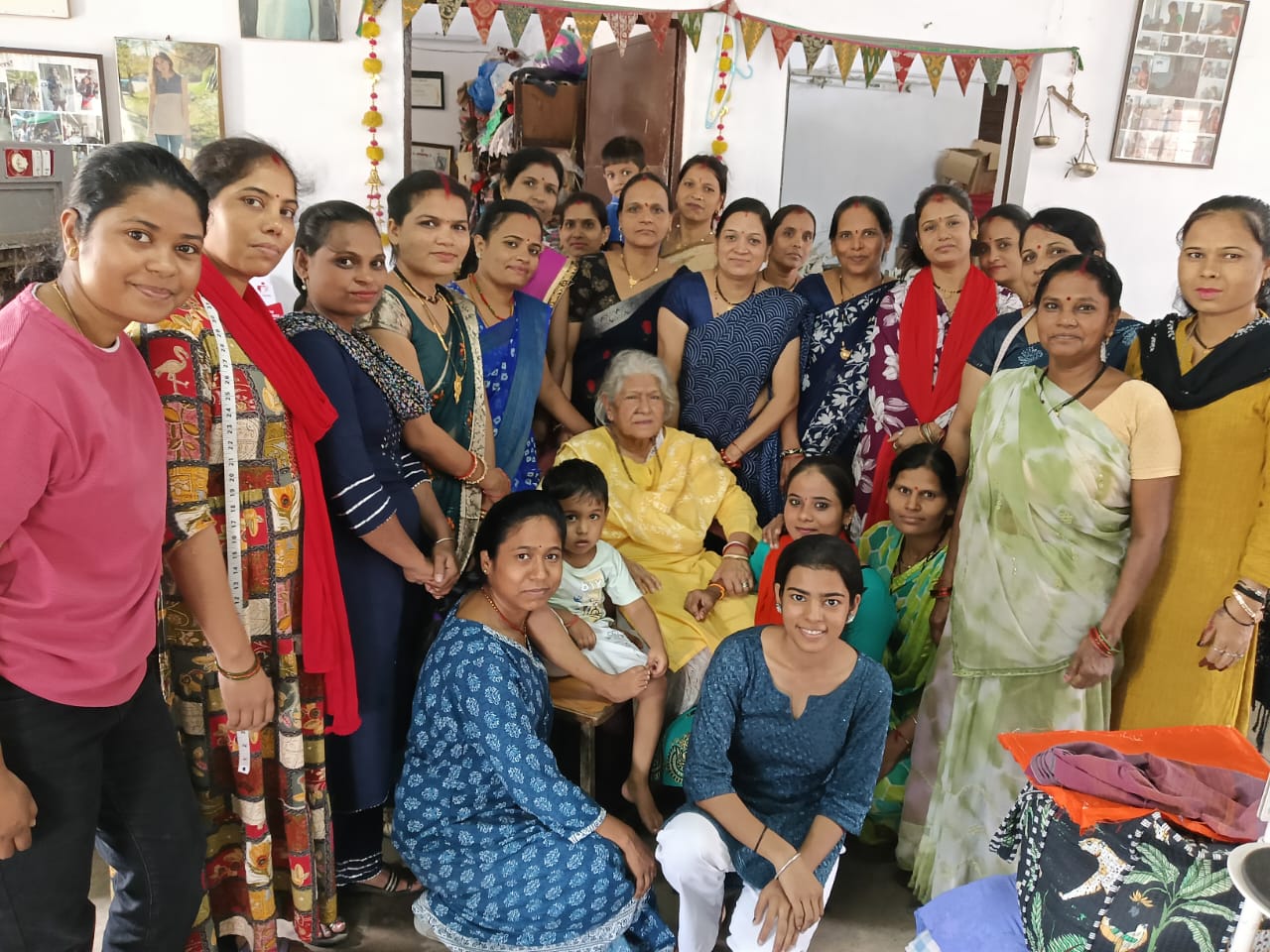
Mahashakti Seva Kendra (MSK), an all-women’s collective, emerged in response to the 1984 Bhopal gas disaster — one of the world’s deadliest industrial tragedies. The incident left over half a million people exposed to toxic chemicals, claiming more than 20,000 lives and devastating generations. Since 1992, under the leadership of Mrs. Indira Iyengar, MSK has supported affected families through natural-dye based livelihoods, offering skills in block printing, stitching, and Zardosi embroidery. By reviving traditional, chemical-free crafts, MSK transforms trauma into dignity, and disaster into sustainable opportunity.
From survival to self-reliance — how women reclaimed agency through handmade traditions.
Empowering Through Craft, Led by Resilience
Mahashakti is more than a livelihood program — it’s a movement driven by women who transformed tragedy into strength. With training in natural dyeing, block printing, tailoring, and Zardosi embroidery, survivors of the gas tragedy began crafting dignified futures. These grassroots efforts revived dying art forms while creating economic independence and confidence among women who had once been silenced by disaster. What started in a single workshed has grown into a vibrant force of over 500 artisans — each one a symbol of healing, heritage, and hope.
How women survivors of the Bhopal gas disaster became changemakers through dignity and craft.
From Tragedy to Transformation
The 1984 Bhopal gas leak left over half a million people exposed and thousands of lives devastated. In the aftermath, Mahashakti Seva Kendra (MSK) was born — led by Mrs. Indira Iyengar — to restore dignity and livelihood to the affected women. What began as survival support turned into skill-building initiatives that reconnected women with their heritage through block printing, natural dyeing, tailoring, and embroidery. Today, these women are not just workers; they are designers, entrepreneurs, and advocates for sustainable living and social change.
How natural dyes and handcrafts became tools for independence.
Crafting Livelihoods, One Skill at a Time
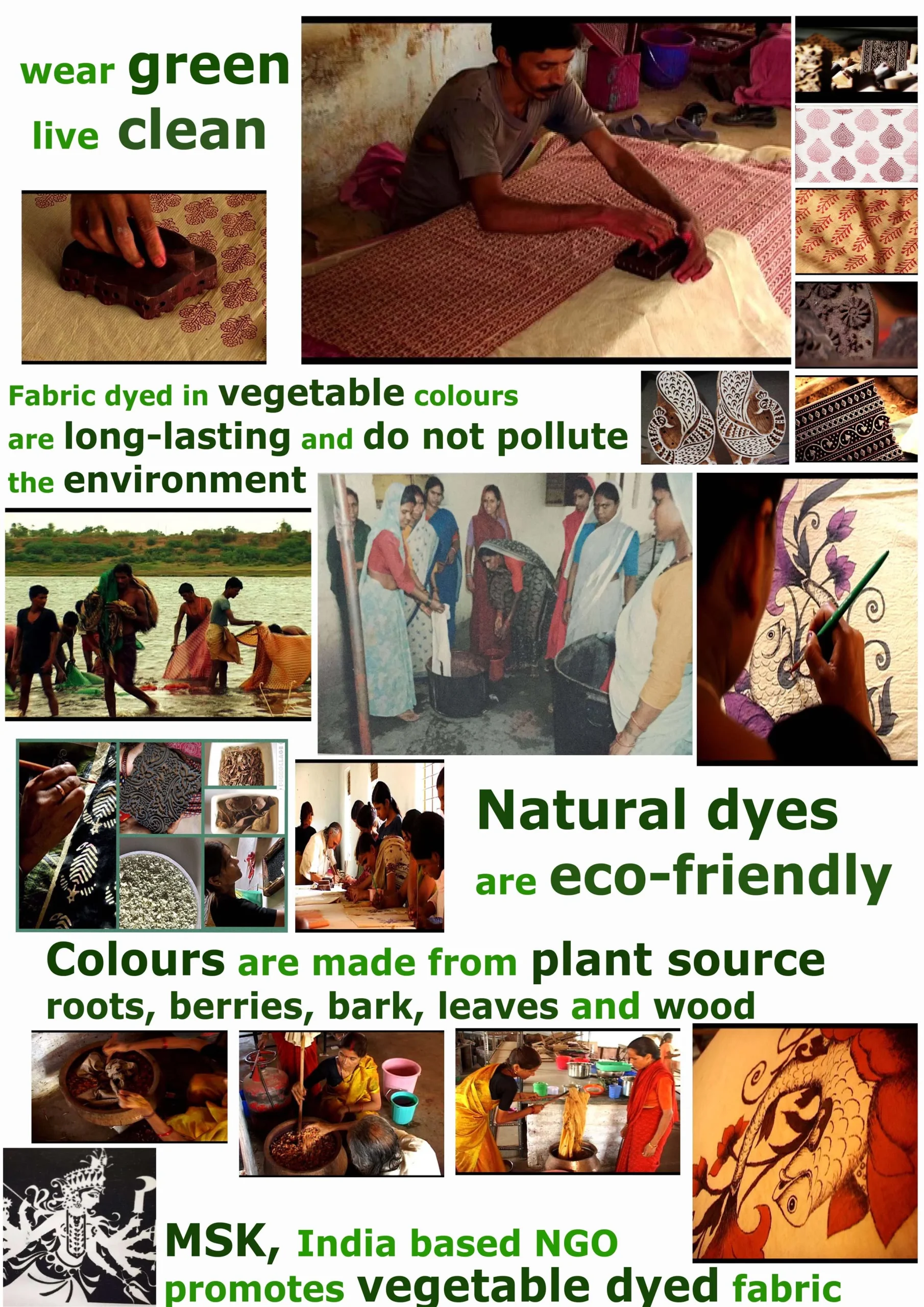
When Mahashakti began working with survivors, the goal was not just to provide employment — it was to empower. Through training in chemical-free crafts and heritage techniques, women began rebuilding their futures with their own hands. These skills didn’t just create products — they restored pride, income, and agency.
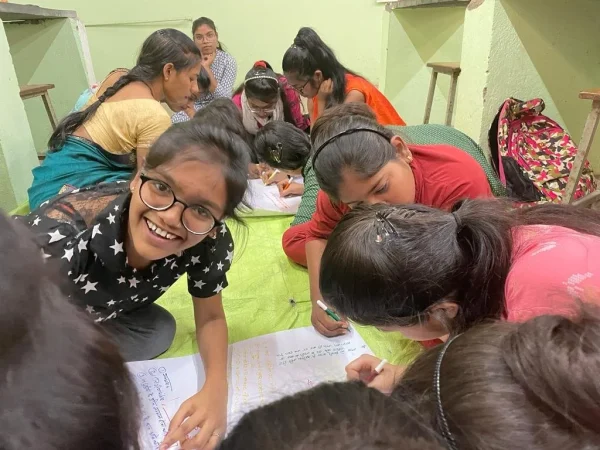
Engaging with authorities, demanding representation & pushing for policy inclusion
Our Mission in Action
At Mahashakti, “Say No to Chemicals” is more than a slogan — it’s a livelihood, a mission, and a movement. Our artisans use natural dyes derived from vegetables and plant-based sources to create handmade goods — from tunics to bags — that revive dying traditions while protecting health and the environment.